
Across the world, the global economy is undergoing a profound transformation. Industries are shifting toward sustainability, governments are introducing climate policies, and businesses are increasingly adopting environmentally responsible practices.
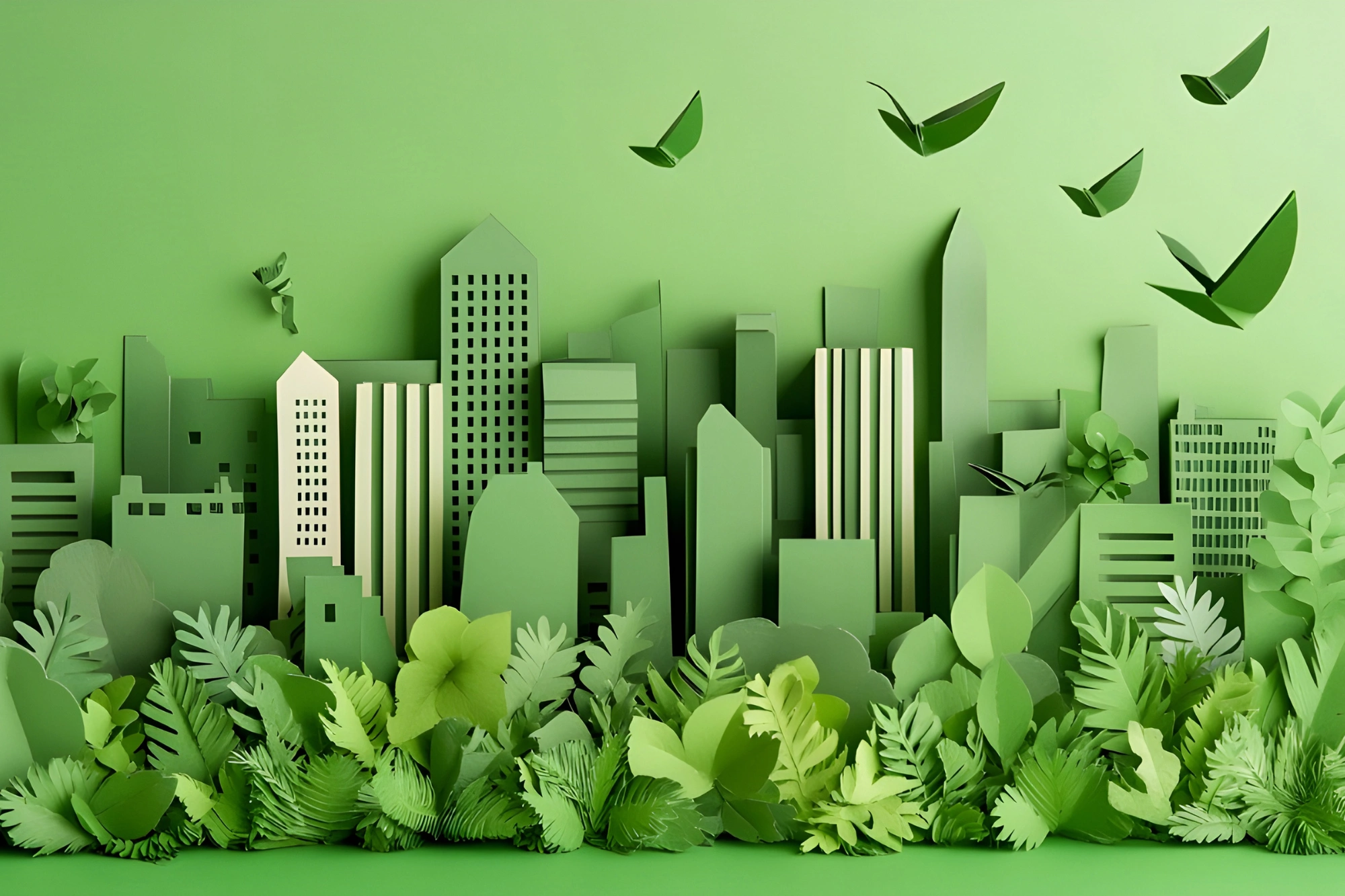
This transition is giving rise to what many describe as the green economy, an economic system built around sustainability, renewable resources, and environmentally responsible innovation.
For Africa, this transformation presents a unique opportunity.
Climate Change Is Also an Economic Shift
Climate change is often discussed primarily as an environmental crisis. But it is also driving one of the largest economic transitions of our time. Entire industries are emerging around:
- renewable energy
- clean transportation
- circular economies
- sustainable agriculture
- eco-friendly manufacturing
- waste recovery and recycling.
Globally, trillions of dollars are expected to flow into green technologies and sustainable infrastructure in the coming decades. This transformation is reshaping how economies operate.
Africa’s Unique Advantage
Africa enters this transition from a unique position. Many developed economies are trying to retrofit sustainability into existing infrastructure. Africa, by contrast, is still building much of its infrastructure.
This creates the opportunity to leapfrog directly into sustainable systems. Across the continent, entrepreneurs are already developing solutions in areas such as:
- clean cooking alternatives
- solar-powered energy systems
- waste recycling innovations
- sustainable construction materials
- climate-smart agriculture.
These innovations are not just environmentally important, they are economically valuable.
The Untapped Opportunity for Entrepreneurs
For entrepreneurs, the green economy represents a significant opportunity. As sustainability becomes more important to governments, corporations, and consumers, demand for climate solutions will continue to grow.
Businesses that provide sustainable alternatives will increasingly become part of the new economic landscape. Yet many climate entrepreneurs still operate in relatively small ecosystems.
Their solutions often remain hidden within research programmes, incubators, or local pilot projects. Unlocking the green economy in Africa requires more than innovation.
It requires visibility, distribution, and access to markets.
Connecting Innovation With Demand
For the green economy to truly flourish, sustainable products and services must be easier to discover. Businesses seeking greener options need access to reliable climate solutions.
Consumers who want sustainable alternatives need to know where to find them. Entrepreneurs building climate innovations need platforms that help them reach the market. Connecting these groups together is essential to unlocking the full potential of the green economy.
The Role of Klimebase
Klimebase is being developed as part of this emerging ecosystem. Its goal is to help climate entrepreneurs increase their visibility while making it easier for organisations and individuals to discover sustainable solutions.
By creating a platform focused on climate innovation and sustainable products, Klimebase aims to contribute to the growing infrastructure that supports the green economy in Africa.
The Future of Climate Innovation in Africa
Africa’s green economy is still in its early stages. But the building blocks are already emerging, entrepreneurs, innovators, researchers, and investors working to develop solutions that address environmental challenges while creating economic opportunity.
As these ecosystems grow, the businesses that succeed will be those that combine innovation with accessibility. The future of climate solutions in Africa will not only depend on what is built. It will depend on how effectively those solutions reach the market. And that journey is only just beginning.